Frequently Asked Questions About Mood Trackers
I got curious about mood trackers after a friend mentioned using one to spot patterns in her work stress. She wasn’t using a fancy app—just a notebook—but it got me testing a few digital tools. Below are the questions that came up most often, answered from actual use.
What exactly is a Mood Tracker and how does it help?
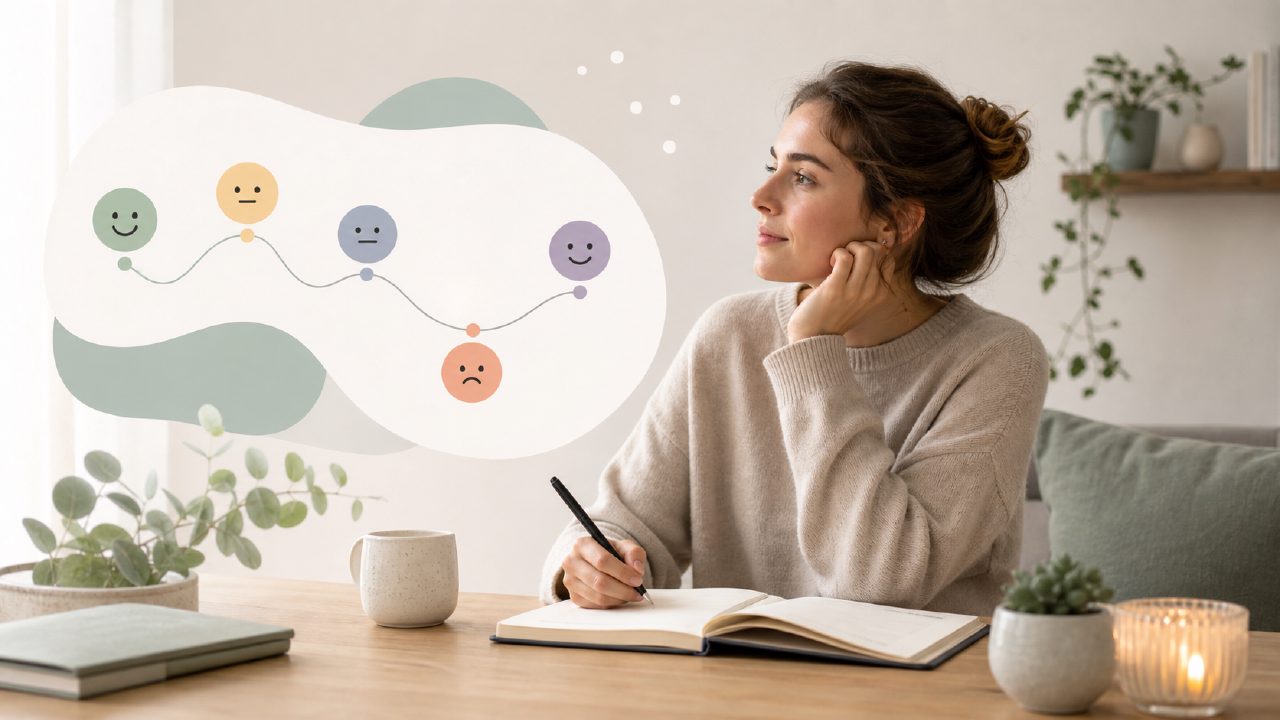
A mood tracker is simply a tool to log your emotional state over time. You record how you’re feeling—happy, anxious, drained—once or twice a day. The value isn’t in the logging itself; it’s in seeing the patterns. For example, I noticed my mood dips every Tuesday afternoon. That led me to check what meetings or tasks were happening then. Some trackers let you add context, like sleep or exercise. The best ones don’t overcomplicate it. I used a free ai note taking app free called tidenote to jot down notes alongside my mood entries, which helped me connect feelings to specific events.
Can I use a mood tracker for journaling and meetings?
Yes, if you combine tools. I like keeping a separate Journal for longer reflections, but for quick mood checks during the day, a tracker works better. For meetings, I use tidenote to capture the agenda and my reactions. Later, I drop those notes into the mood tracker as context. That way, I can see if certain meetings correlate with frustration or energy. The Anchor Text feature in some apps lets you tag specific recurring events, which is helpful. But honestly, it takes a bit of discipline to remember to log. I missed days early on, and the gaps made it harder to spot trends.
What’s the tradeoff between a simple app and a feature-rich one?
Simple apps (like a basic checklist) are easy to stick with but give you limited insights. Feature-rich ones, like beanly or tidenote, can integrate with your calendar and note-taking. The tradeoff: setup time. I spent almost an hour configuring categories and linking my Notes app. That was a friction point. If you just want to know if you’re generally stressed, a simple slider works. If you need granular data to share with a therapist, go for the deeper tool. But be ready to maintain it. I found that after two weeks, my enthusiasm waned. The app’s reminders helped, but I still forgot on busy days.
Are there privacy concerns with digital mood trackers?
Absolutely. Your mood data is personal. Some apps store everything on their servers, and you don’t know how they use it. I prefer apps that offer local storage or end-to-end encryption. 小片刻 (a small moment) is a Chinese app that stores data locally, but it lacks cloud backup. tidenote stores data encrypted by default, which made me feel better. Still, if you’re recording sensitive details, consider a paper journal or a simple text file. Digital convenience comes with a privacy cost.
Which free mood tracker should I start with?
If you want something lightweight, try the built-in health app on your phone—it’s free and no extra setup. If you want more context, I’d test tidenote as a free ai meeting notes app and manually log moods in a separate section. It’s not a dedicated mood tracker, but the note-taking flexibility let me add details without switching apps. For a dedicated option, beanly is decent but has a limited free tier. Honestly, the best tool is the one you actually use. Start small—log three days, see if the pattern surprises you. If not, try another method.
Comments
Leave a Comment